Dakar 2026: NSC’S Self-Appraisal Raises Questions Over Federation Autonomy And Accountability
By: Sunday Agunbiade (Mr VAR)
The National Sports Commission’s statement celebrating Nigeria’s performance at the Dakar 2026 Youth Olympic Games is commendable in its recognition of the athletes. However, beyond the celebratory tone, the statement leaves critical questions unanswered and appears more like institutional self-promotion than a comprehensive assessment of Nigeria’s achievement.
First, the Commission needs to provide the statistics behind its claim of Nigeria’s best-ever appearance at the Youth Olympic Games. What was the country’s previous medal record, how many medals were won in each previous edition, and what is the present overall medal tally? Nigerians deserve facts, figures and comparative records, not just declarations of historic achievements.
Secondly, why does the statement appear to place the entire credit for this achievement at the doorstep of the two-man leadership of the NSC? Where are the Nigerian Olympic Committee (NOC), the Athletics Federation of Nigeria (AFN) and other participating sports federations in this account? What were their respective contributions to athlete preparation, selection, technical development and participation?
The NSC must understand that providing policy direction, supervision, funding support and an enabling environment does not translate into taking over the responsibilities and institutional identities of sports federations. The federations, alongside the NOC, have clearly defined roles in Nigeria’s sporting structure and should receive appropriate recognition for their contributions.
This raises a broader concern about the growing perception of excessive administrative dominance over sports federations, particularly amid allegations and public concerns about the extent of influence being exercised by the NSC leadership in the affairs of the Nigeria Football Federation (NFF). Such concerns deserve transparent institutional clarification rather than silence or further concentration of authority.
The reform Nigerians expect from the Federal Government is not a system where sports federations become subordinate extensions of the Commission or where institutional achievements are presented as the exclusive accomplishments of its leadership. Rather, it should strengthen accountability, professional administration, federation autonomy and collaboration among all stakeholders.
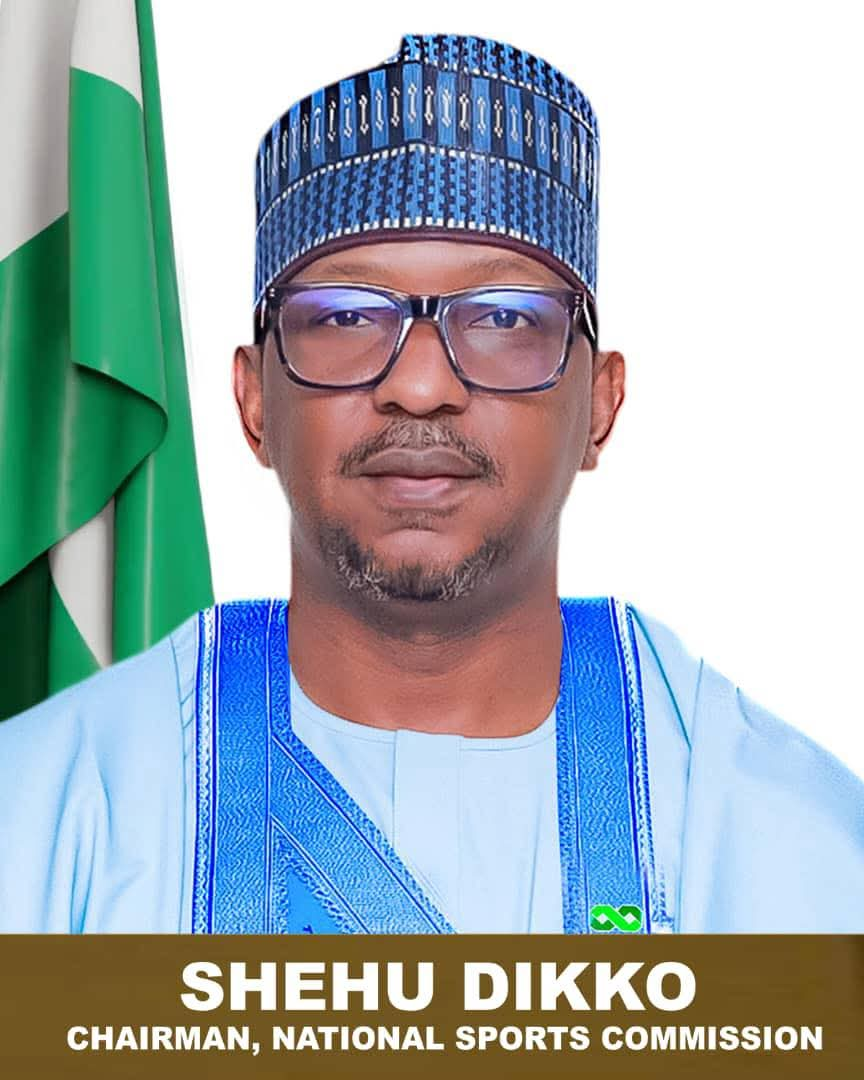
Mallam Shehu Dikko and Hon. Bukola Olopade should therefore demonstrate that the NSC’s reform agenda is about building institutions, not personalities; strengthening federations, not overshadowing them; and creating an environment where every stakeholder receives recognition for their legitimate contributions.
Nigeria’s sporting success belongs to the athletes and the institutions that collectively make it possible. The NSC should lead the process of development without monopolising the credit or diminishing the roles of other stakeholders.
The real measure of sports reform is not how prominently the Commission features in press statements, but how effectively it empowers the institutions responsible for delivering sporting excellence.
You may all see this as nothing but the present 2 Man NSC may destroy our common patrimony with self seeking glory of all sporting Federations just like they’re doing in our football. Has anyone ever asked questions on the administration of football under Shehu Dikko and Olopade since they assumed office? It’s like Nigerian journalists are sleeping, watching the institutions destroyed over the plate of portage.