**Says Its Implications For Coastal Communities Must Be Considered
By: Celestine Ukah
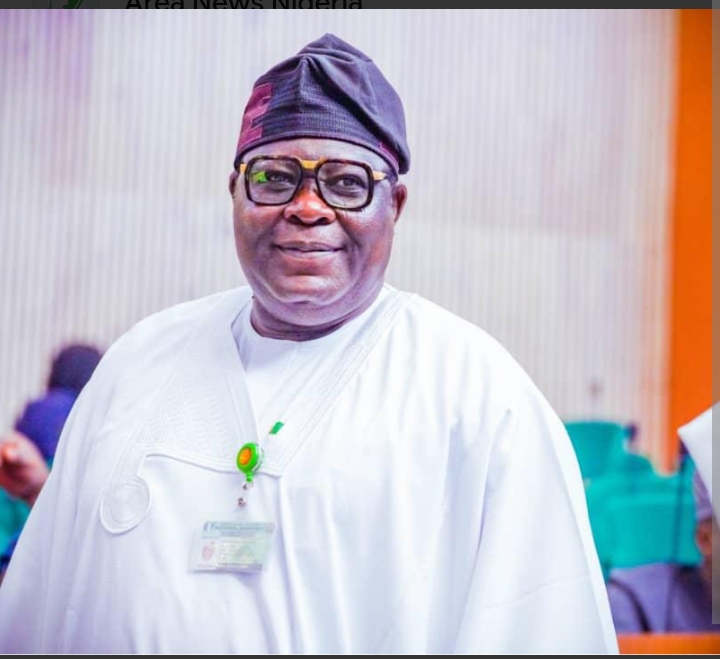
The Member representing Warri Federal Constituency at the House of Representatives, Hon. Chief Thomas Ereyitomi, has moved a motion calling for the need to review the proposed realignment of the Lagos-Calabar Coastal Highway and its implications for coastal communities.
The House noted that the Lagos-Calabar Coastal Highway is a strategic Federal Government infrastructure project intended to strengthen connectivity along Nigeria’s coastline, facilitate interstate commerce, promote economic integration and unlock the development potential of coastal communities.
According to Chief Ereyitomi, the House is aware that the Federal Government has identified difficult geotechnical and environmental conditions, including swampy terrain, weak subgrades and challenging subsoil conditions, as reasons informing the proposed realignment of portions of the highway.
The House is also concerned that the proposed realignment may compromise the project’s original connectivity and economic development objectives if its comparative engineering requirements, environmental consequences, socio-economic implications and total lifecycle costs are not independently assessed.
It further raised concern that the proposed realignment bypasses the riverine communities of Delta State, particularly the Ogheye-Orere-Ugborodo-Escravos corridor, which hosts the Chevron tank farm and Escravos Gas-to-Liquids (EGTL) plant, and other coastal communities hosting strategic oil and gas infrastructure and vital domestic flow stations that contribute significantly to Nigeria’s crude oil exports, foreign exchange earnings, energy supply and national economic development.
The House expressed that retaining the original coastal alignment would strengthen access to critical economic hubs, improve the movement of personnel, equipment and commercial goods, support the development of connecting roads and related infrastructure, and broaden the highway’s potential economic benefits, thereby reinforcing the case for preserving its coastal character.
It also noted that any assessment of alternative alignments should consider the full costs of construction, including additional road distance, bridges, ground improvement, environmental mitigation, compensation, flood resilience and long-term maintenance, while recognizing that specialized engineering solutions, including soil stabilization, geosynthetics, piled foundations, reinforced embankments and elevated viaducts, may offer potential options for addressing difficult terrain, subject to site-specific technical and environmental assessments.
Desirous of ensuring that the Lagos-Calabar Coastal Highway retains its intended coastal connectivity and developmental purpose, while ensuring that engineering feasibility, environmental sustainability, financial prudence, value for money and the interests of affected coastal communities are adequately addressed through a transparent, evidence-based and independently reviewed process, the House resolves to:
(i) Urge the Federal Ministry of Works to review the proposed realignment and retain the originally conceptualized Lagos-Calabar Coastal Highway alignment through the Ondo, Escravos-Ogheye-Ugborodo corridor; and
(ii) Mandate the Committee on Works to ensure implementation and report within four (4) weeks for further legislative action.