No More Fake Fuel Promises: Tinubu Stopped the Bleeding
By Dr Festus Goziem Okubor writing from Ute-Erumu
Let us begin with a number so obscene it should make every Nigerian’s blood boil: Four trillion naira. That is what the fuel subsidy hemorrhage cost this nation in 2022 alone. Not on schools. Not on hospitals. Not on the roads that swallowed trucks. Four trillion naira vanished into the pockets of smugglers, cartel kingpins, and the political godfathers who turned Nigeria’s treasury into their personal automated teller machine.
No doubt, the forecasts for 2023 were worse: over six trillion naira, a sum larger than the entire federal budgets of Ghana, Senegal, and Côte d’Ivoire combined, was projected to go up in smoke, literally. This was not a social safety net. This was not a helping hand for the poor. This was beyond reasonable sense, organized, industrial-scale looting dressed in the language of compassion. The Nigerian fuel subsidy was the greatest heist in the economic history of modern Africa, and for forty years, every single man who occupied Aso Rock looked the other way until May 29, 2023.
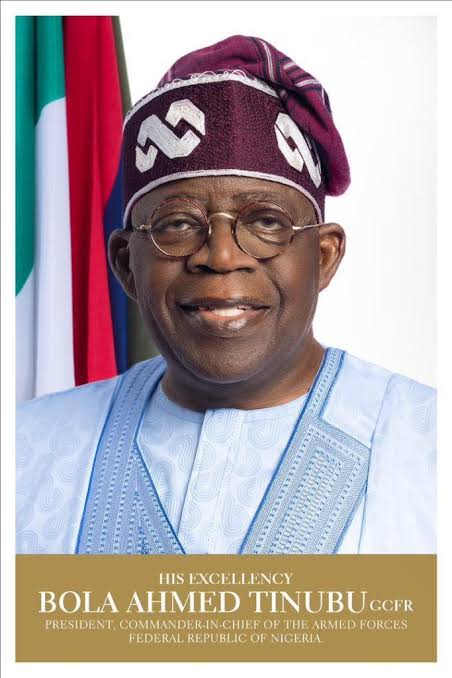
Bola Ahmed Tinubu took the microphone, looked the subsidy vampire in the eye, and drove a stake through its heart. “Subsidy is gone,” he said. No committee. No white paper. No six-month stakeholder consultation designed to produce nothing. Just three words that every one of his predecessors lacked the spine to utter. That is what this piece is about: not spin, not propaganda, but the Cowardice Archive: Forty Years of Broken Promises.
Let us be brutally honest about our history, because the opposition would prefer we rather forget it.
Olusegun Obasanjo tried in 2003. He announced subsidy removal, faced protests, and retreated so fast you could hear the wind break. He tried again in 2004, then 2007; each time blinking at the first sign of resistance. The man who once boasted that Nigeria was not a nation of cows, yet the subsidy swallowed another trillion.
Goodluck Jonathan’s turn; 2012. The Occupy Nigeria movement took to the streets, and Jonathan, facing an election season capitulated completely. He not only restored the subsidy but entrenched it, ensuring the government, deducting billions at source for “under-recovery” a phrase that should live in infamy as the most expensive euphemism in Nigerian history.
Recall the scene again; Inauguration Day. The presidential speech writers must have scripted the norm; politically correct platitudes; false hope, soothing words with unrealistic inanities. Instead, Tinubu went off-script and detonated a policy bomb: “The fuel subsidy is gone.”
The political class was stunned. Where were the committees? Where was the national dialogue? Where was the six-month palliation window that had killed every previous attempt? Tinubu had done the unthinkable: he simply acted. No consultation with the subsidy cartel. No negotiation with the smugglers. No advance warning to the political godfathers who had grown fat on the arbitrage between Nigeria’s subsidized campaigns on removing the subsidy. Unlike his predecessors, who promised reform and delivered capitulation, Tinubu promised action, and for the first time in Nigerian history, a president’s word was total, final and unbreakable.
Tinubu’s May 29 declaration was not cruel. It was the long-overdue demolition of a criminal enterprise masquerading as social policy. No doubt the petrol prices soared as the immediate effect of the proclamation. This part is always painted by political antagonists, in its most gruesome form, while seeking to defame Tinubu as the cruelest President Nigeria ever had. They refuse to speak on the positive effect that this has on the economy: monthly allocations to states and Local Governments that once struggled to pay salaries now routinely exceed pre-2023 levels by margins of forty to sixty percent. Governors who spent years blaming Abuja for their insolvency suddenly found themselves with resources they had never seen. Whereas this article does not refute the fact that the masses have borne the immediate effect of subsidy removal, the price shock, real and painful as it is, should not mask the other reality of structural reallocation of national resources. Nigeria was spending more on subsidizing premium motor spirit than on its entire capital budget. Let that sink in: more on fuel than on roads, power, health, and education combined. Have you ever wondered why since 2023 there has been no serious fuel scarcity in Nigeria? By now, with the current military interface between America, Israel and Iran, and its attendant global oil crisis, the queues at filling stations as well as unreachable prices would have crippled the nation.